


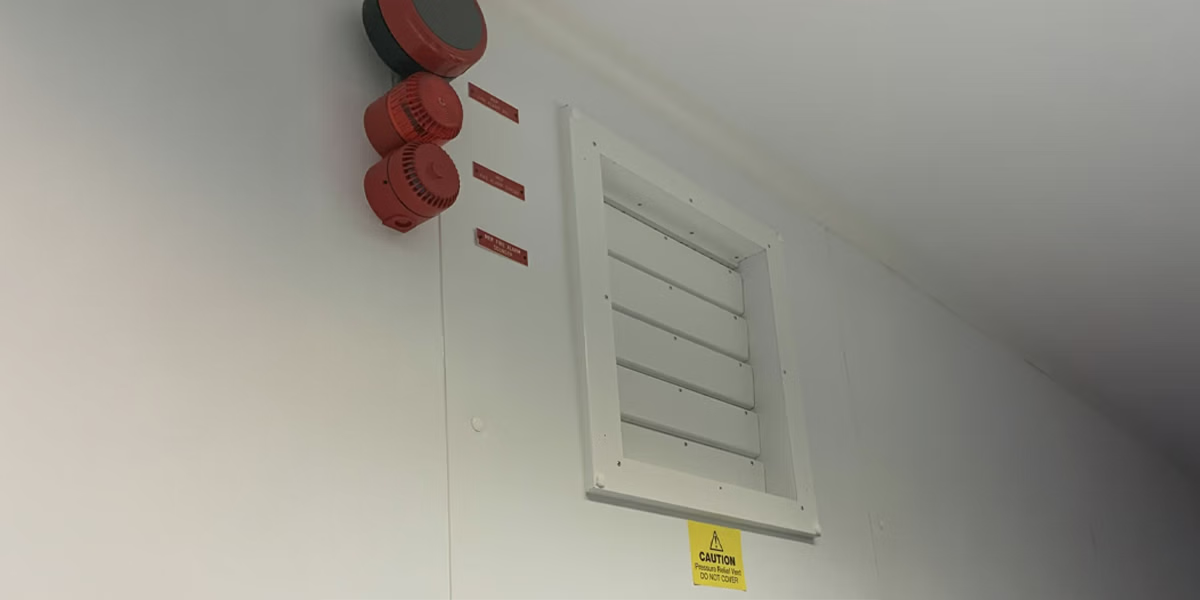
Precision-engineered dampers for controlled venting during gas suppression system activation

Maintain Room Integrity During Gas Discharge

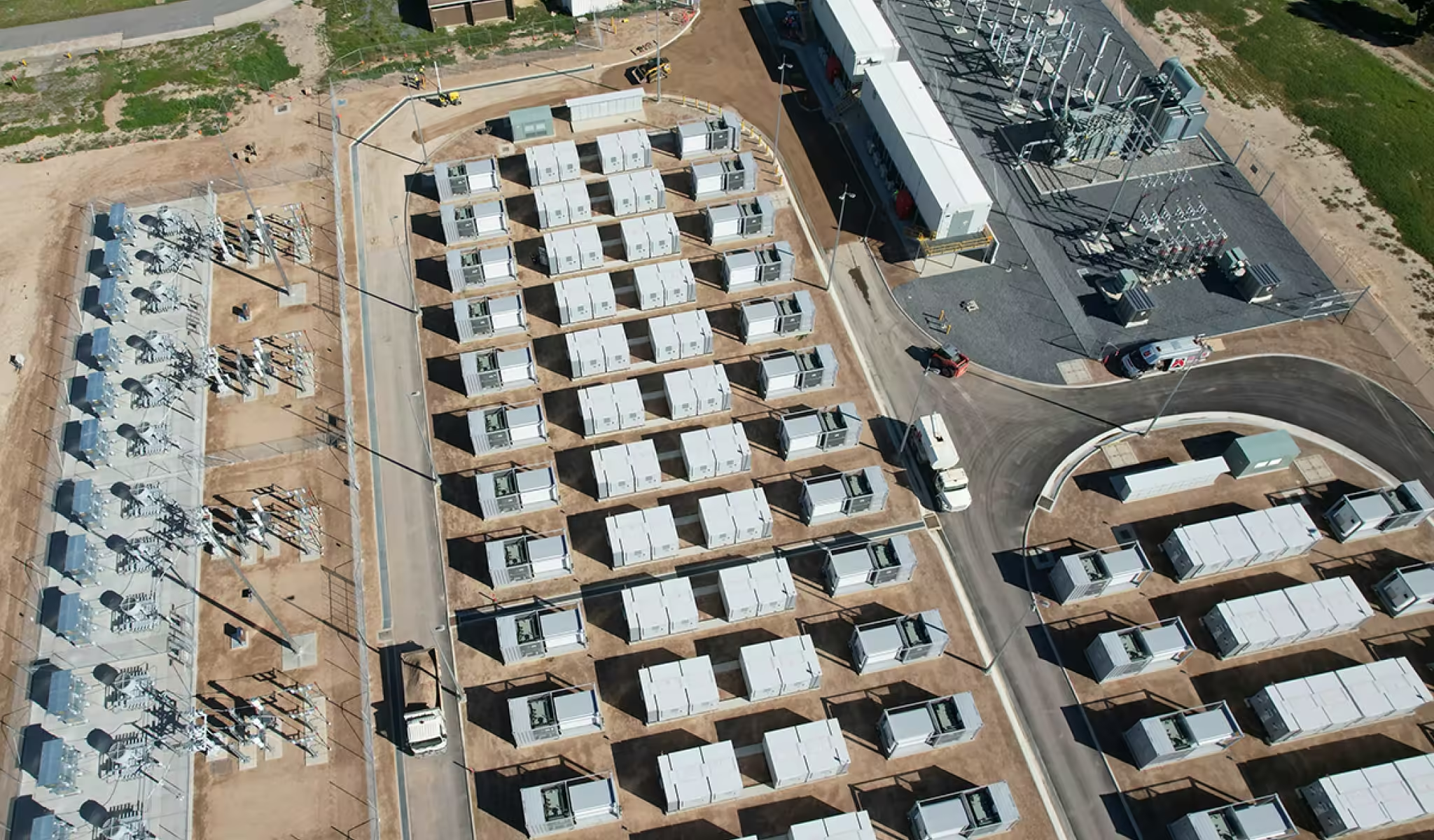
Pressure Relief Dampers (PRDs) are crucial elements in gaseous fire suppression systems, specifically engineered to safeguard enclosures from the risks associated with excessive pressure buildup during system discharge. These dampers play a vital role in maintaining the structural integrity of the enclosure while ensuring the correct concentration of the suppression agent is achieved. This dual function not only enhances the safety of the environment but also optimizes the performance of both clean agent and inert gas systems. PRDs are particularly beneficial in environments such as data centers, switch rooms, control rooms, and battery energy storage facilities, where maintaining operational integrity and safety is paramount.

Start the Conversation

Talk to Us About Your Fire Safety Needs

Speak with our experts today and get a fire safety solution designed to protect your people and property.

Partner with the Experts

Let’s Build a Safer, Smarter Fire Protection System

From system design to full compliance testing, our team helps you achieve the highest standards of fire safety and performance.

Frequently Asked Questions

Everything You Need to Know About Pressure Relief Dampers

Explore common questions about how pressure relief dampers work with gas suppression systems, their importance in maintaining safety, and how they meet compliance standards.

What are pressure relief dampers used for?

Pressure relief dampers maintain safe enclosure pressure when gas suppression systems discharge, preventing structural damage.

How do pressure relief dampers work?

They automatically open during discharge to release excess air pressure and close afterward to maintain room integrity.

Are pressure relief dampers required by code?

Yes, they are often mandated by fire safety codes for gas suppression systems to ensure safe and compliant pressure regulation.